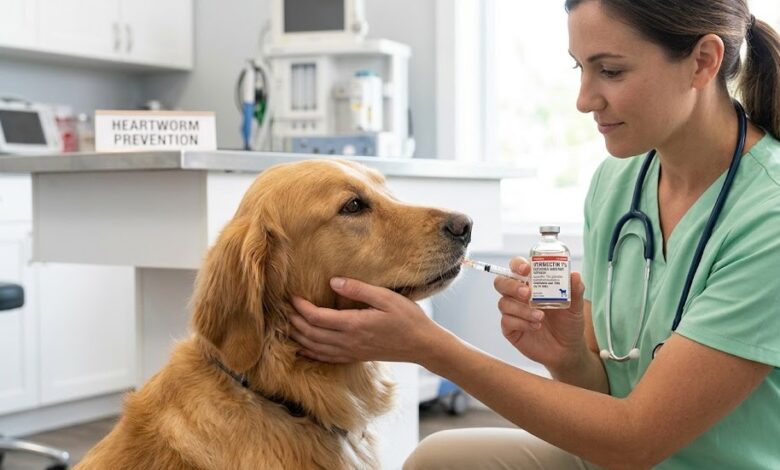
ivermectin for dogs is a well-known antiparasitic medication widely used in veterinary medicine to protect dogs from various parasitic infections. It is most commonly prescribed for heartworm prevention, but it can also be used against certain mites and intestinal parasites. Veterinarians rely on it because it is highly effective when used in the correct dosage and under proper supervision. However, its safety depends entirely on careful administration, as incorrect use can lead to serious health risks in dogs.
In terms of how it works, ivermectin targets the nervous system of parasites. It binds to specific channels in their nerve and muscle cells, increasing the flow of chloride ions, which leads to paralysis and eventually the death of the parasite. This mechanism makes it very effective against heartworm larvae and some external parasites like mange mites. In normal dogs, the medication does not easily cross the blood-brain barrier, which is why it is generally safe at prescribed doses. However, in certain genetically sensitive dogs, this barrier can be compromised, increasing the risk of toxicity even at standard doses.
Medical Uses of Ivermectin in Veterinary Care
ivermectin for dogs is primarily used in veterinary medicine as a preventive and therapeutic agent against specific parasitic infections. Its most important and widely approved use is in the prevention of heartworm disease, which is caused by parasitic worms transmitted through mosquito bites. When administered regularly in controlled doses, ivermectin helps eliminate the immature stages of heartworms before they can develop into adult worms that affect the heart and lungs. This makes it a key part of long-term canine health protection programs recommended by veterinarians.
Beyond heartworm prevention, ivermectin is also used to treat certain external and internal parasites. These include conditions caused by mites, such as sarcoptic mange and demodectic mange, which can lead to intense itching, hair loss, and skin irritation in dogs. In some cases, veterinarians may also use ivermectin as part of a broader parasite control strategy, especially in environments where dogs are exposed to multiple parasitic threats. However, it is important to note that ivermectin is not a universal dewormer and does not treat all types of parasites, so it is often combined with other medications depending on the diagnosis.
Safe Dosage Guidelines and Administration
The safe use of ivermectin for dogs depends heavily on accurate dosing, which must always be determined by a veterinarian. Unlike many over-the-counter medications, ivermectin has a very narrow safety margin in certain dogs, meaning even a small overdose can lead to serious health complications. For heartworm prevention, veterinarians prescribe extremely low doses that are carefully calculated based on the dog’s body weight, breed, age, and overall health condition. This controlled approach ensures the medication remains effective against parasites while minimizing any risk of toxicity.
Administration is typically straightforward, as ivermectin is often given in tablet or chewable form as part of monthly heartworm prevention treatments. Some injectable or topical formulations may also be used in specific veterinary settings for parasite control. Dog owners are strongly advised never to adjust doses on their own or use medications intended for livestock or other animals, as these products can contain much higher concentrations of ivermectin. Consistent monthly administration is essential for maintaining protection, and missing doses can leave dogs vulnerable to heartworm infection, especially in mosquito-prone regions.
Genetic Sensitivity (MDR1 Mutation) Risks in Dogs
One of the most important safety concerns with ivermectin for dogs is genetic sensitivity caused by a mutation known as the MDR1 (multidrug resistance 1) gene. This mutation affects how certain dogs process and eliminate specific medications, including ivermectin. In dogs with this genetic variation, the blood-brain barrier does not function properly, allowing the drug to accumulate in the brain and reach toxic levels even at standard doses. This makes them significantly more vulnerable to adverse reactions compared to other dogs.
Breeds commonly affected by the MDR1 mutation include Collies, Australian Shepherds, Shetland Sheepdogs, and some mixed herding breeds. However, not every dog within these breeds carries the mutation, which is why genetic testing is often recommended before prescribing ivermectin for long-term use. When a dog is identified as MDR1-positive, veterinarians usually avoid ivermectin or prescribe alternative medications that are safer for their genetic profile. Understanding this risk is critical for preventing accidental poisoning and ensuring that parasite prevention remains both safe and effective.
Side Effects and Signs of Toxicity
The side effects associated with ivermectin for dogs vary depending on the dose, the dog’s sensitivity, and whether the medication was administered correctly. In most healthy dogs receiving proper veterinary doses, side effects are rare and mild. However, when toxicity occurs—usually due to overdose or genetic sensitivity—the symptoms can become severe and require immediate medical attention. Early recognition of these signs is crucial for preventing long-term complications.
Common mild side effects may include temporary lethargy, reduced appetite, or slight digestive upset such as vomiting or diarrhea. These effects are generally short-lived and may resolve without intervention. In contrast, ivermectin toxicity presents with neurological symptoms because the drug affects the central nervous system when it crosses into the brain at unsafe levels. Warning signs include lack of coordination, dilated pupils, excessive drooling, tremors, disorientation, and in severe cases, seizures or coma. If any of these symptoms appear after administering ivermectin, urgent veterinary care is necessary to prevent life-threatening outcomes.
Veterinary Warnings and Regulatory Safety Guidance
Veterinary authorities strongly emphasize that ivermectin for dogs should only be used under professional supervision, as improper use is one of the leading causes of preventable poisoning in pets. Organizations such as the FDA and major veterinary associations consistently warn pet owners against self-medicating dogs with ivermectin products intended for livestock or humans. These formulations can contain highly concentrated doses that are unsafe for canine use and may lead to severe neurological toxicity or death.
Regulatory guidance also highlights the importance of using only approved veterinary products that are specifically formulated for dogs. These medications are tested for safety, correct dosing, and effectiveness against heartworm and other parasites. Veterinarians are trained to assess a dog’s breed, weight, and medical history before prescribing ivermectin, ensuring the benefits outweigh any potential risks. Additionally, pet owners are encouraged to follow monthly prevention schedules strictly and avoid skipping doses, as inconsistent use can leave dogs vulnerable to heartworm infection. Proper education and adherence to veterinary advice remain the most important factors in ensuring safe and effective parasite control.
Conclusion
In summary, ivermectin for dogs is a highly effective veterinary medication when used correctly, especially for preventing heartworm disease and treating certain parasitic infections. However, its safety depends entirely on proper dosing, veterinary supervision, and awareness of genetic risks such as the MDR1 mutation. While many dogs tolerate ivermectin well, misuse or overdose can lead to severe neurological toxicity, making responsible administration essential for pet owners.
The key takeaway is that ivermectin should never be used casually or without professional guidance. Veterinarians carefully calculate safe dosages and recommend approved formulations designed specifically for dogs. When used correctly, it remains a valuable tool in maintaining long-term canine health and parasite prevention.
Frequently Asked Questions
1. Is ivermectin safe for all dogs?
No, it is safe only when prescribed by a veterinarian. Some dogs with genetic sensitivity may react badly even to normal doses.
2. What is ivermectin mainly used for in dogs?
It is primarily used for heartworm prevention and treatment of certain mite infections.
3. Can I give my dog livestock ivermectin?
No, livestock formulations are not safe for dogs and can cause serious poisoning.
4. What are the early signs of ivermectin toxicity?
Early signs include weakness, confusion, dilated pupils, and loss of coordination, which require immediate veterinary attention.
For More Update and Stories Visit: Hollywood Times