How Digital Technology Shapes Us GFXRobotection: Impact on Modern Life, Behavior, and Communication

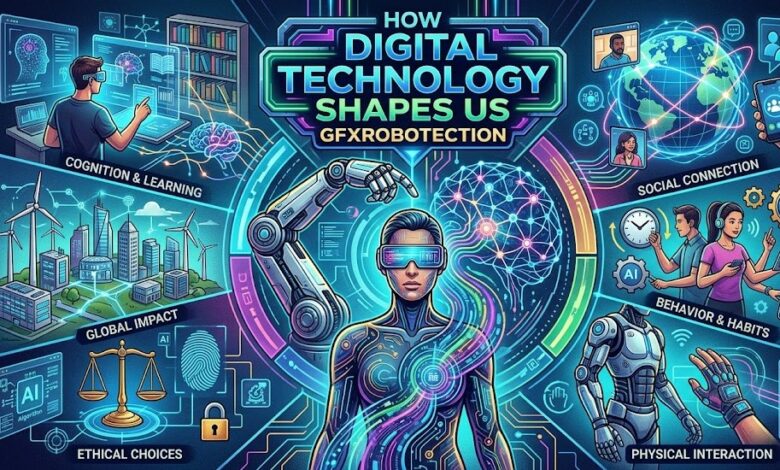
Digital technology has evolved rapidly over the past few decades, transforming from simple computing systems into highly advanced digital ecosystems that power nearly every aspect of modern life. In earlier times, technology was limited to basic computers and slow communication systems, but today it includes smartphones, artificial intelligence, cloud computing, and interconnected global networks. This evolution has completely changed how people access information, interact with services, and engage with the world around them, making digital tools an essential part of daily living.
As technology advanced, society began shifting from traditional methods of work and communication toward more efficient, automated, and real-time systems. Businesses adopted digital platforms to improve productivity, governments started using online services for public convenience, and individuals embraced mobile devices for personal use. This continuous development has not only increased speed and accessibility but has also created a deeply connected digital environment where information flows instantly across borders, shaping how modern society functions today.
The Communication Revolution in the Digital Age
The digital age has completely transformed the way humans communicate, replacing slow and limited methods with instant and global connectivity. Earlier, communication relied on letters, landline phones, and face-to-face meetings, which often took time and effort. Today, digital platforms such as messaging apps, social media, and video conferencing tools allow people to connect instantly regardless of geographical distance. This shift has made communication faster, more accessible, and more continuous, enabling individuals to stay connected at all times.
At the same time, this revolution has changed the nature of communication itself. Conversations are now shorter, more frequent, and often visual, relying on emojis, images, and short texts rather than long written exchanges. While this has improved convenience and global interaction, it has also reduced deep personal engagement in some cases. People now communicate more often but sometimes less meaningfully, as digital tools encourage quick responses over thoughtful discussion.
How Digital Technology Shapes Human Behavior and Attention
Digital technology has a powerful influence on human behavior, especially in how people focus, react, and make decisions in daily life. With constant access to smartphones, apps, and online platforms, individuals are frequently exposed to notifications, updates, and digital content. This continuous stimulation often trains the brain to seek quick rewards, making people more responsive to short-term engagement rather than long-term concentration. As a result, attention spans have gradually shortened, and multitasking has become a common habit in modern lifestyles.
Moreover, digital platforms are designed to capture and hold user attention through algorithms that personalize content based on behavior and preferences. This means people often see information that aligns with their interests, encouraging repeated usage and prolonged screen time. While this improves convenience and user experience, it can also lead to over-dependence on digital devices and reduce focus on offline activities. Over time, these patterns shape decision-making, habits, and even emotional responses, showing how deeply how digital technology shapes us gfxrobotection is reflected in everyday human behavior.
Digital Identity and the Rise of Social Media Influence
Digital technology has significantly changed how people present themselves to the world by creating a strong concept of digital identity. In the past, a person’s identity was mostly shaped by real-world interactions, reputation, and community presence. Today, however, social media platforms allow individuals to build curated online versions of themselves, where they choose what to share, highlight, or hide. This has made identity more flexible but also more influenced by digital perception and audience feedback.
Social media plays a major role in shaping this digital identity by encouraging users to gain likes, comments, and followers. These engagement metrics often influence how people view their own worth and social standing. Over time, individuals may begin to align their behavior with what performs well online rather than what reflects their true personality. This shift shows how deeply how digital technology shapes us gfxrobotection affects not only communication but also self-image and social behavior in the digital era.
Transformation of Education and Work Systems
Digital technology has completely reshaped education and work systems, making them more flexible, accessible, and technology-driven. In education, traditional classrooms have expanded into virtual learning environments where students can attend lectures online, access digital resources, and interact with teachers from anywhere in the world. This shift has made learning more inclusive and convenient, especially for those who cannot physically attend institutions. It has also introduced new learning tools such as interactive videos, AI-based tutoring systems, and digital assessments that improve the overall learning experience.
In the workplace, digital transformation has led to the rise of remote work, cloud collaboration, and global team connectivity. Employees can now work from home or any location while staying connected to their organizations through digital platforms. This has increased productivity and flexibility but has also blurred the boundaries between personal and professional life. As a result, people are expected to remain digitally available for longer hours, showing how deeply how digital technology shapes us gfxrobotection is influencing both education and professional environments.
Psychological and Social Effects of Digital Living
Digital living has a strong psychological impact on individuals, influencing emotions, thinking patterns, and social interactions. Constant exposure to digital content can lead to information overload, where the brain struggles to process large amounts of data from multiple sources. This often results in stress, reduced focus, and a tendency to switch quickly between tasks. At the same time, the instant gratification provided by likes, messages, and notifications can create dependency, making individuals feel anxious when disconnected from their devices.
On a social level, digital technology has changed how people build and maintain relationships. While it enables global connectivity and easier communication, it can also reduce face-to-face interaction and weaken deep social bonds. Many individuals may feel socially connected online but emotionally distant in real life. This dual effect highlights how how digital technology shapes us gfxrobotection not only improves connectivity but also introduces new psychological and social challenges that society continues to adapt to.
Benefits, Opportunities, and Future Possibilities
Digital technology offers countless benefits that continue to shape modern life in positive ways. One of the biggest advantages is easy access to information, allowing people to learn new skills, explore global knowledge, and stay updated with current events instantly. It has also improved communication, healthcare systems, financial services, and entertainment, making everyday tasks faster and more efficient. Businesses have gained opportunities to grow globally through digital marketing, e-commerce platforms, and automated systems that reduce cost and increase productivity.
Looking toward the future, digital technology is expected to become even more advanced with the rise of artificial intelligence, automation, and smart systems. These innovations will likely transform industries such as education, transportation, and healthcare, making them more intelligent and personalized. However, this future also requires responsible use of technology to ensure balance between digital dependence and real-life interaction. This ongoing evolution clearly shows how deeply how digital technology shapes us gfxrobotection continues to influence opportunities and possibilities in the modern world.
Conclusion
Digital technology has become a defining force in modern life, shaping how people communicate, learn, work, and understand themselves. Throughout its evolution, it has transformed society into a highly connected digital ecosystem where information flows instantly and interactions happen continuously. While this transformation brings significant benefits such as improved accessibility, global communication, and new opportunities, it also introduces challenges related to attention, mental health, and social behavior. The keyword how digital technology shapes us gfxrobotection reflects this ongoing balance between progress and adaptation in the digital era.
Ultimately, digital technology is neither entirely positive nor negative—it depends on how it is used. Responsible engagement, digital awareness, and mindful usage are essential to ensure that technology enhances human life without overwhelming it. As innovation continues to grow, individuals and societies must learn to adapt wisely to maintain a healthy relationship with the digital world.
FAQs
1. How does digital technology shape our daily life?
Digital technology affects communication, education, work, and entertainment by making them faster, more accessible, and more connected.
2. What are the negative effects of digital technology?
It can cause reduced attention span, digital addiction, stress, and weaker face-to-face relationships if overused.
3. How does social media influence identity?
Social media allows people to create digital identities that may be influenced by likes, followers, and online feedback.
4. What is the future of digital technology?
The future includes AI, automation, and smart systems that will further transform industries and everyday life.
For More Update and Stories Visit: Hollywood Times